Cold chain
What Is a Refrigerated Vehicle & Why Does Cold Chain Matter in India?
Understand how refrigerated vehicles and cold-chain logistics help preserve food quality, reduce spoilage and protect temperature-sensitive products across India.
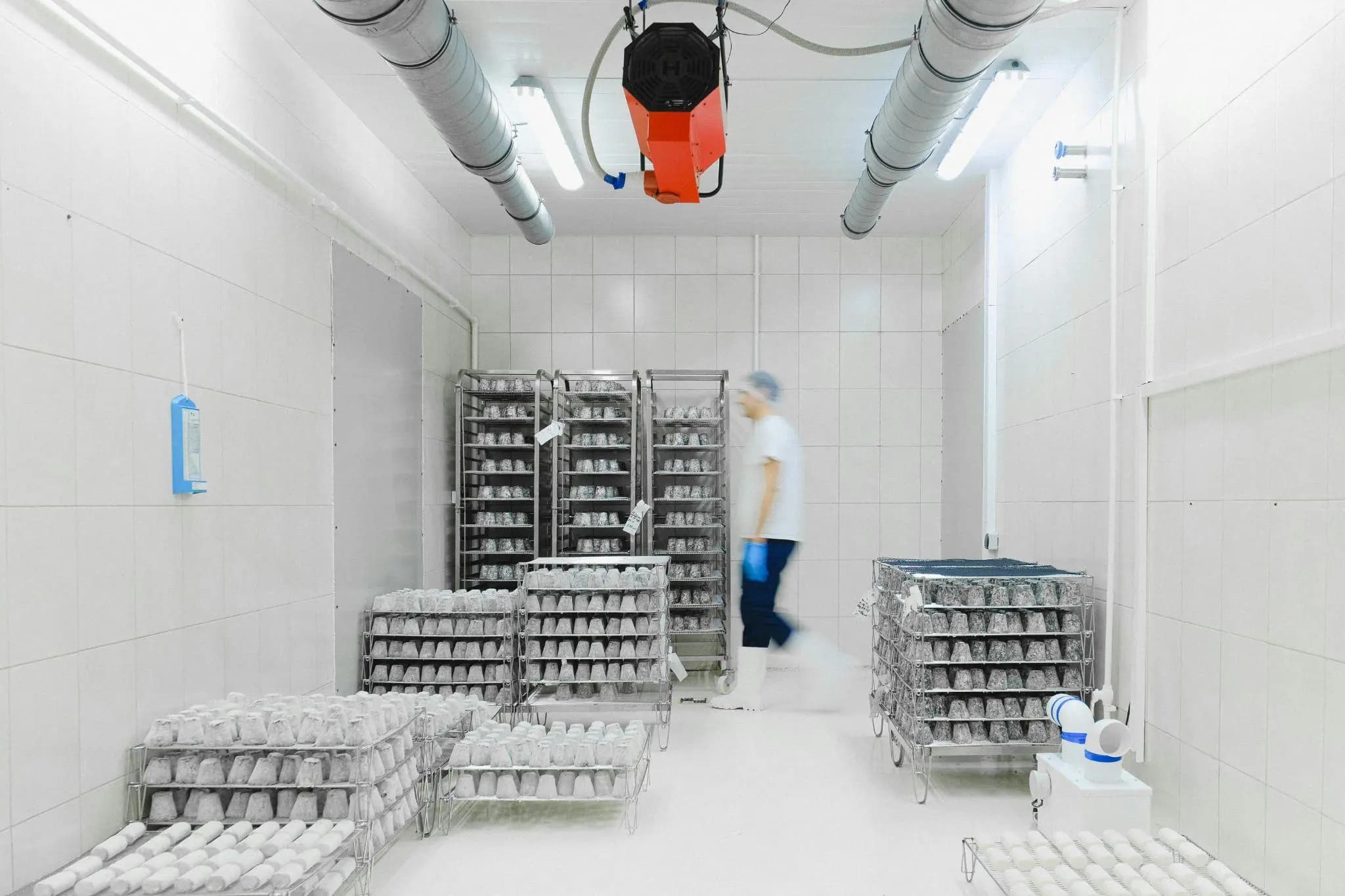
India is a major agricultural producer and the world's largest milk producer. Yet, food preservation and distribution remain important challenges. Refrigerated vehicles and cold-chain logistics help bridge the gap between production and consumption by protecting temperature-sensitive goods throughout their journey.
What Is a Refrigerated Vehicle?
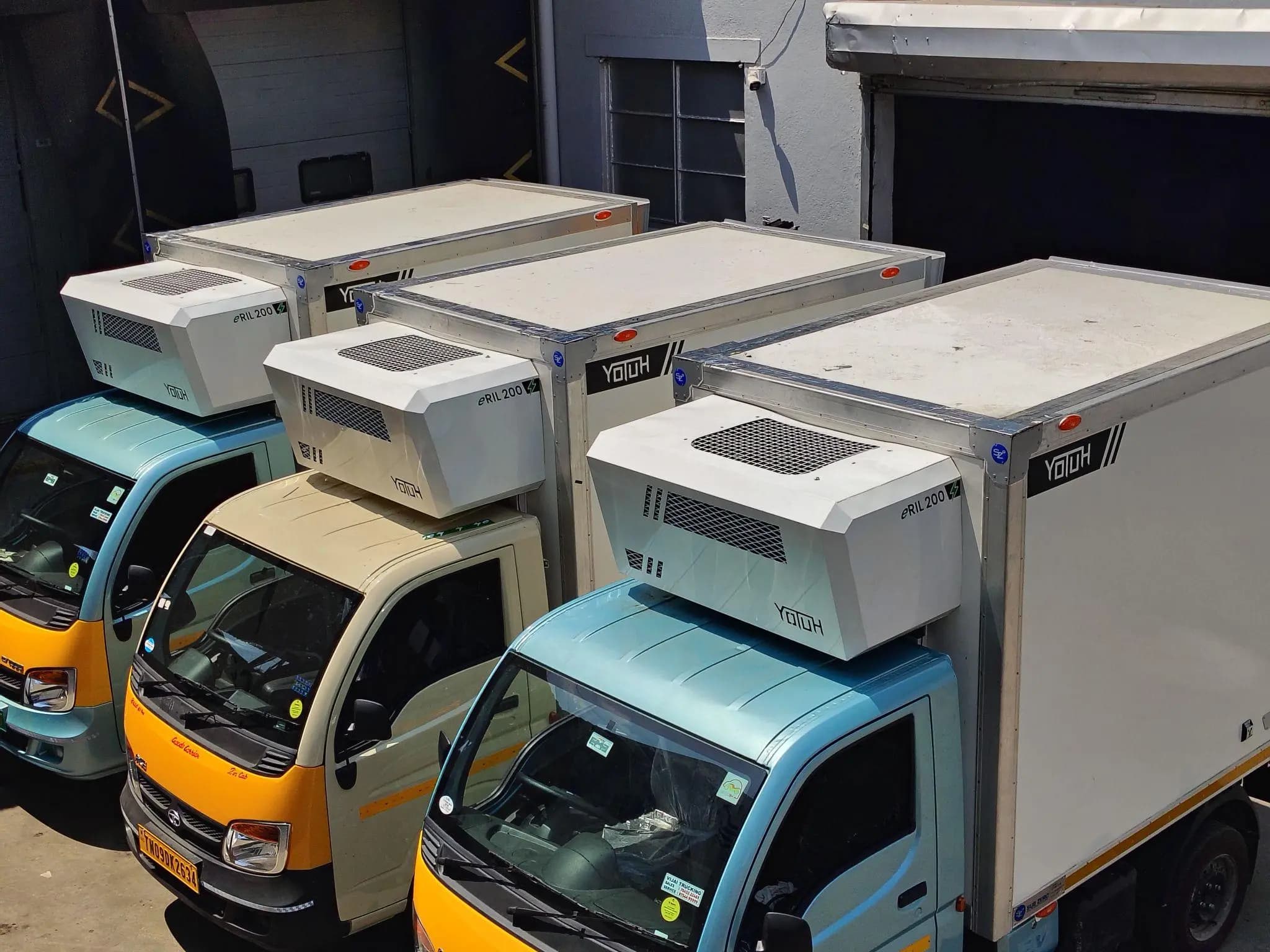
A refrigerated vehicle is a specially designed truck or van equipped with temperature-controlled compartments for transporting perishable goods such as fruits, vegetables, dairy products, meat, fish and pharmaceuticals.
Unlike ordinary delivery vehicles, reefer vehicles are designed to maintain the required internal temperature during transit. Depending on the refrigeration system and cargo requirements, they can support chilled or frozen transportation.
What Is Cold-Chain Logistics?
A cold chain is a temperature-controlled supply system used to preserve and transport perishable goods. It can include cold-storage facilities, packhouses, refrigerated trucks and chilling units.
When implemented effectively, cold-chain systems can help reduce spoilage, preserve product quality and support better distribution from production centres to end users.
Why Does Cold Chain Matter in India?
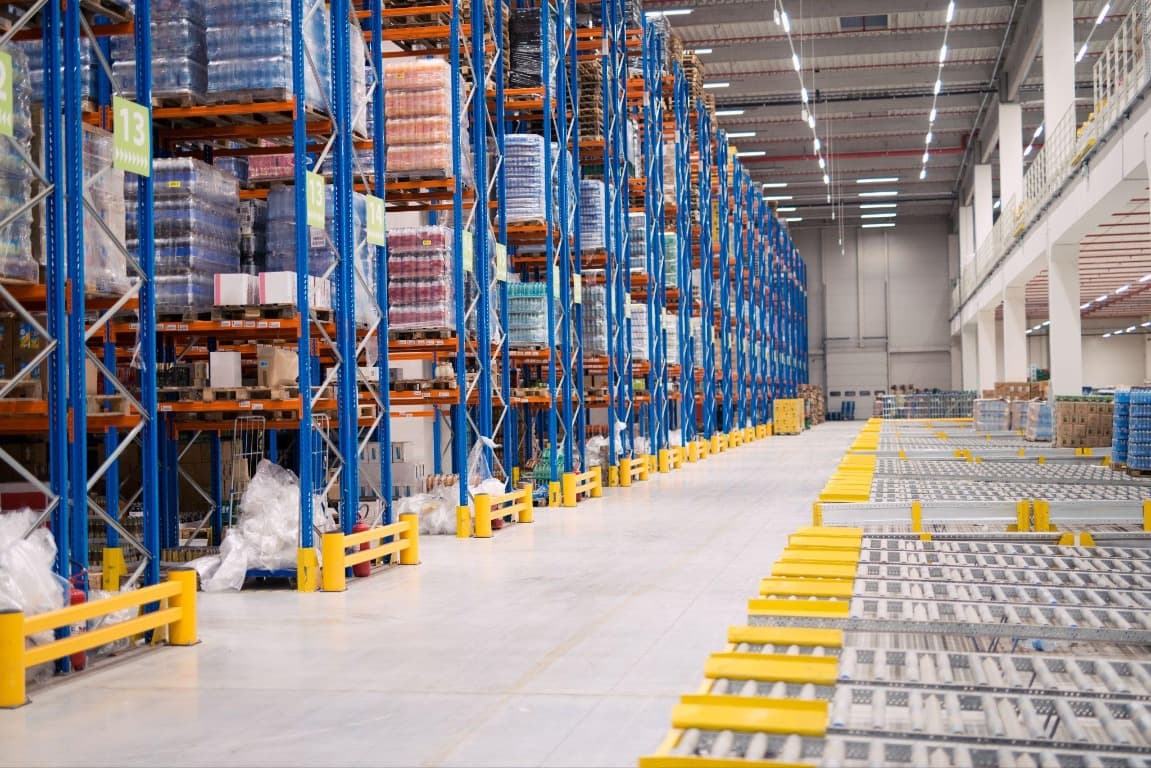
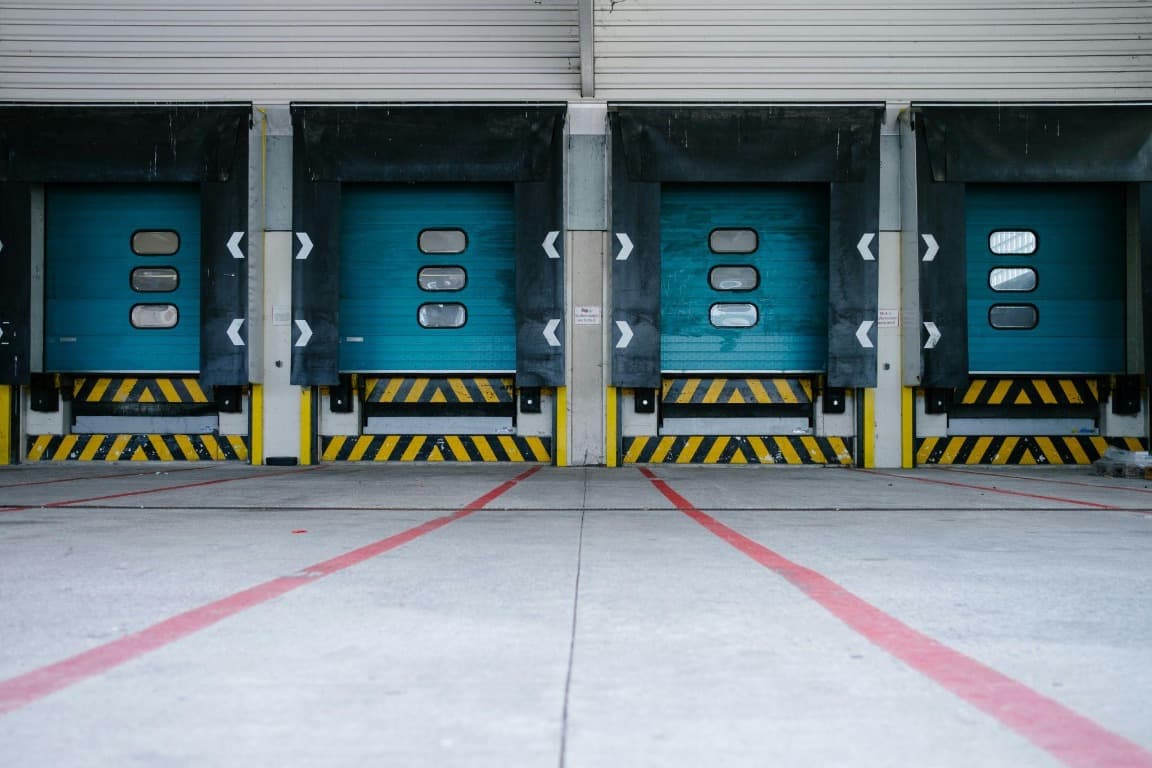
India's agricultural output creates a significant need for effective preservation and distribution. Without suitable storage and refrigerated transport, products can deteriorate before reaching their intended markets.
1. Building Food Security
Cold-chain infrastructure helps move food from farms and processing facilities to markets and consumers. By protecting quality and supporting distribution throughout the year, it can improve the availability of perishable products.
2. Preventing Food Losses
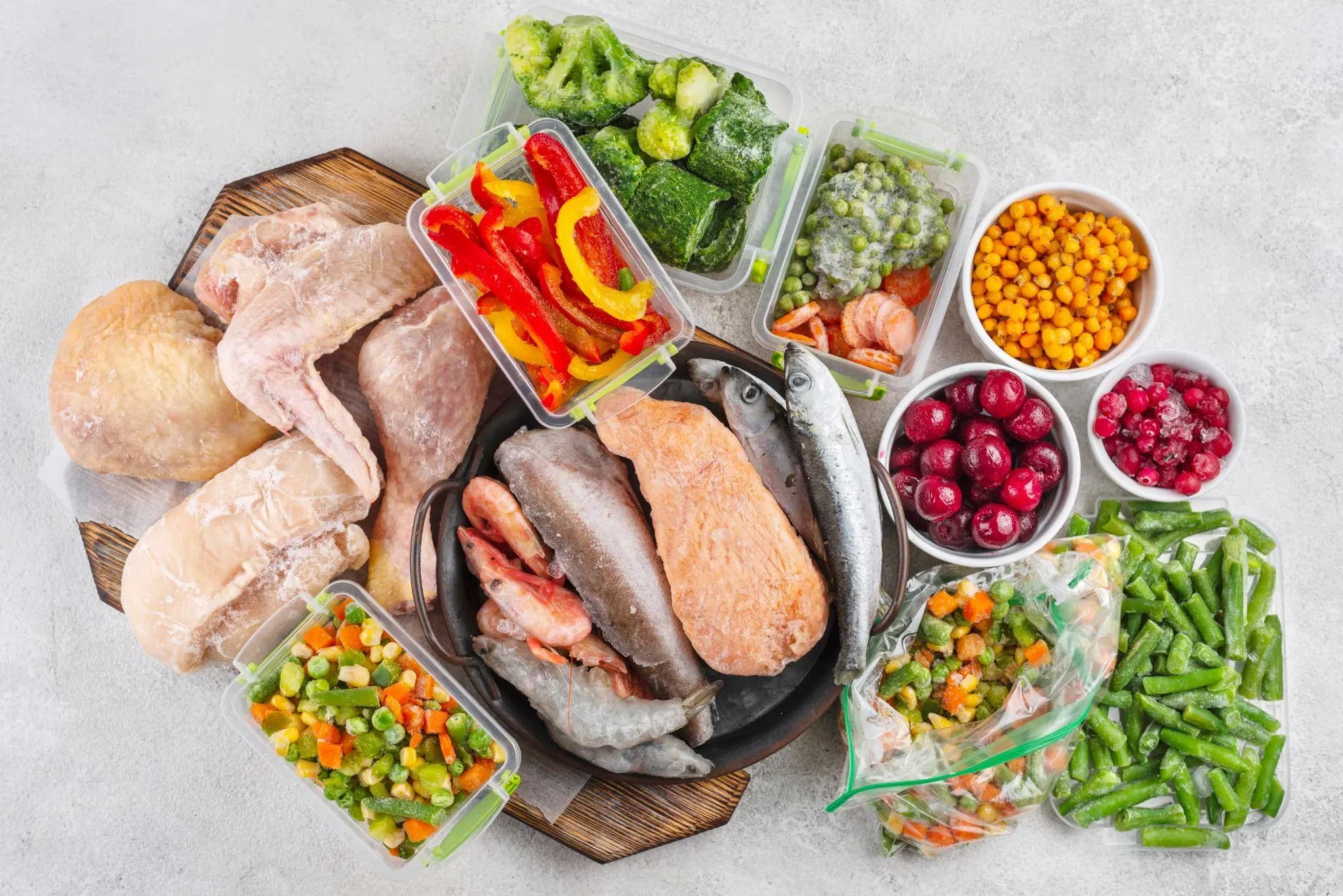
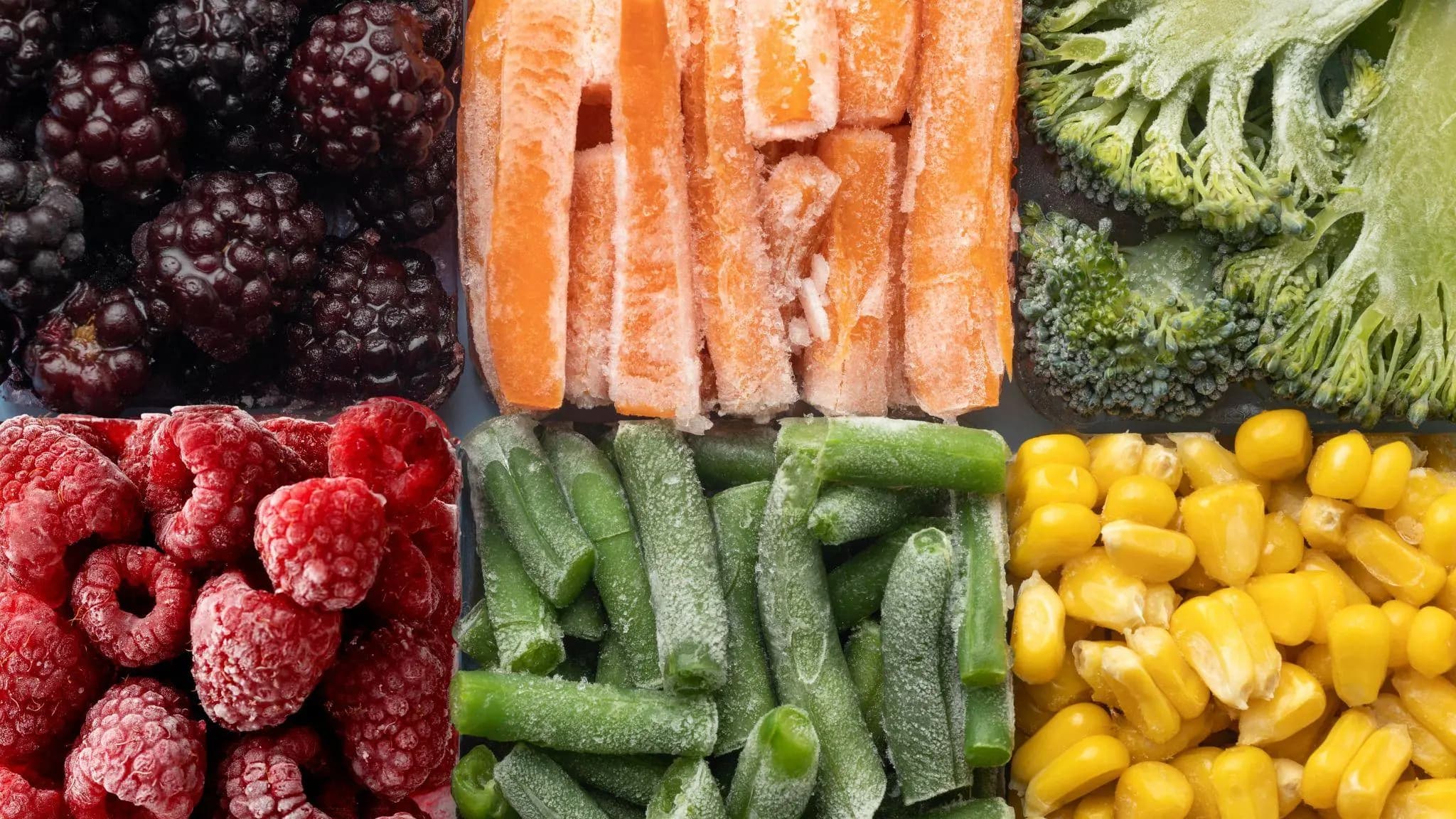
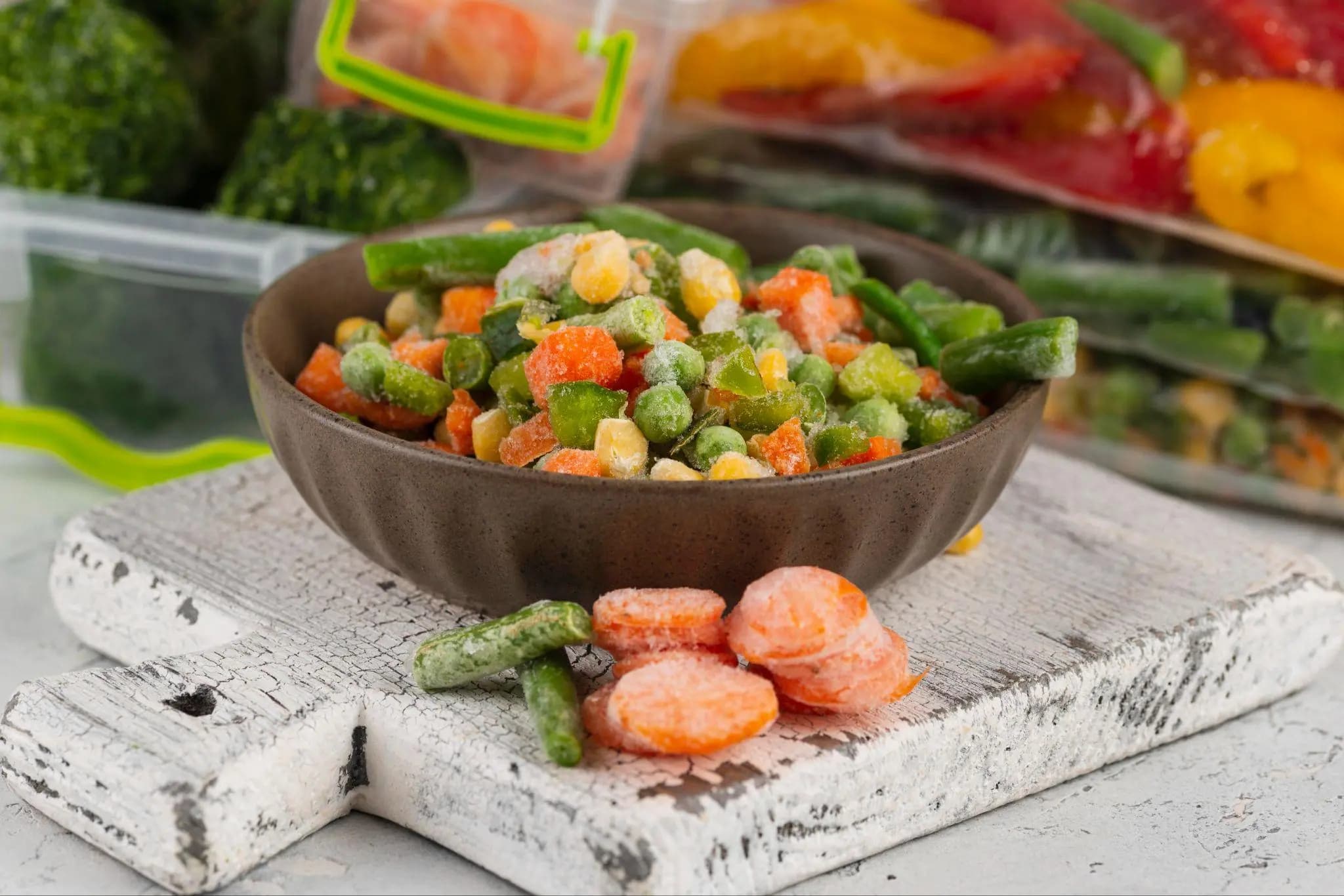
Inadequate refrigeration and handling can contribute to food spoilage during storage and transportation. Suitable cold-chain practices help protect products, extend usable shelf life where appropriate and reduce avoidable losses.
3. Safeguarding Medicines and Public Health
Vaccines, insulin and other temperature-sensitive medical products may require specific storage and transportation conditions. A dependable cold chain helps maintain those conditions as products move between manufacturers, distribution centres and healthcare providers.
The Role of Refrigerated Transport
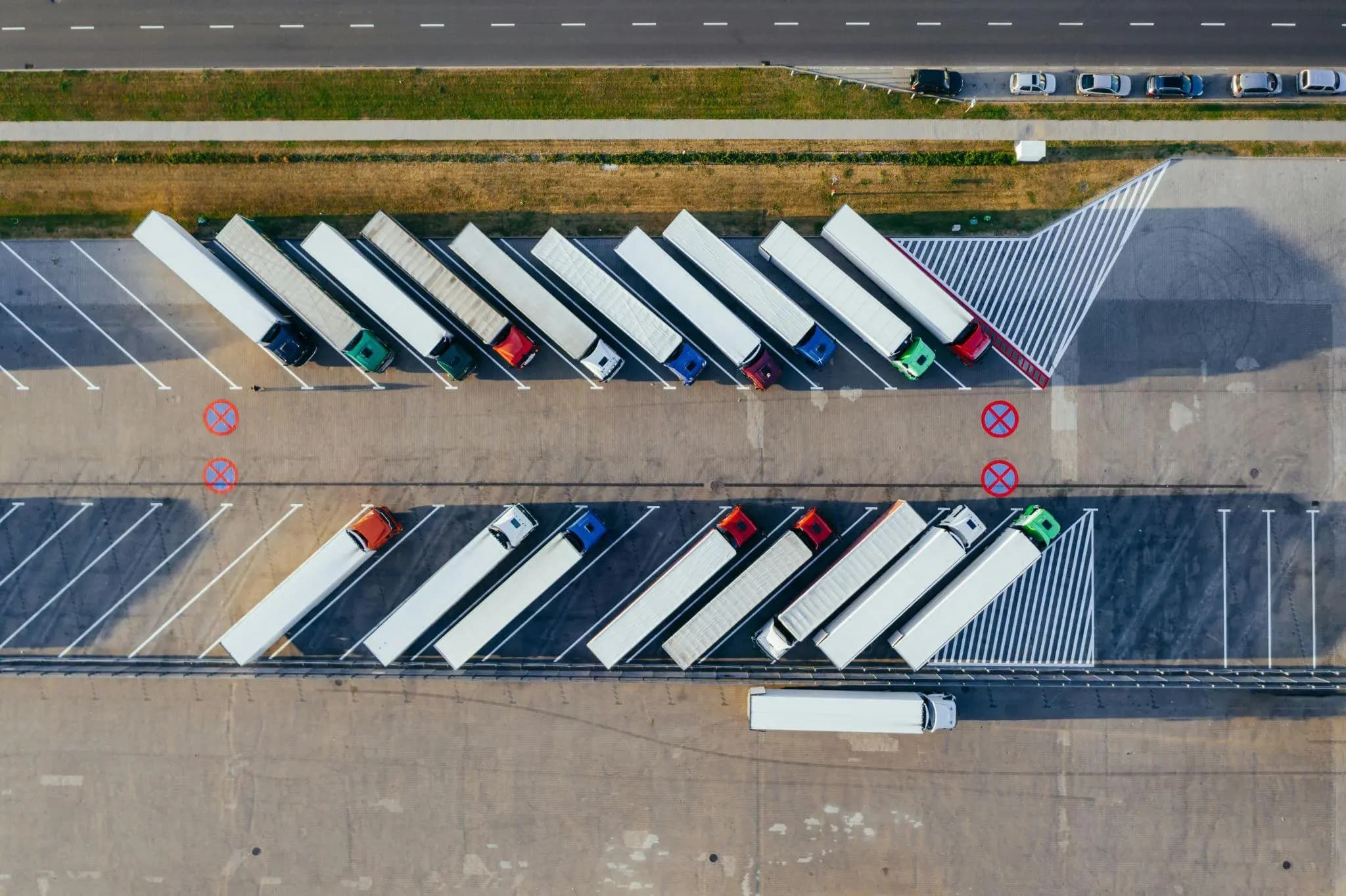
Refrigerated transport connects storage facilities with retailers, hospitals, restaurants and consumers. Selecting a suitable vehicle and refrigeration system is important for maintaining the conditions required by the cargo throughout the journey.
Effective transportation also depends on appropriate loading, careful handling, route planning and monitoring. These practices work together to support product quality from dispatch to delivery.
Moving Towards a More Reliable Cold Chain
As food distribution and healthcare supply chains evolve, reliable refrigeration and better operational visibility remain important. Businesses can evaluate refrigeration technologies that suit their vehicles, delivery patterns and temperature requirements.
At Yotuh Energy, we focus on electric refrigeration solutions for cold-chain transportation, supporting businesses that need dependable temperature-controlled delivery.
Conclusion
Cold chains are about more than cooling. They connect farms to cities, laboratories to clinics and producers to consumers. By improving preservation, transportation and handling, India can build a more reliable system for delivering food and essential healthcare products.